Autonomous Systems & Mobility
Autonomous systems perceive their environment, assess situations and perform tasks with limited human intervention. They combine cameras, radar, LiDAR, ultrasonic sensors, positioning technologies and artificial intelligence. This topic hub covers advanced driver-assistance systems, autonomous vehicles, robotaxis, drones, mobile robots, sensor fusion and intelligent navigation.
Articles on this topic
World Models: How AI Learns to Understand the Physical World
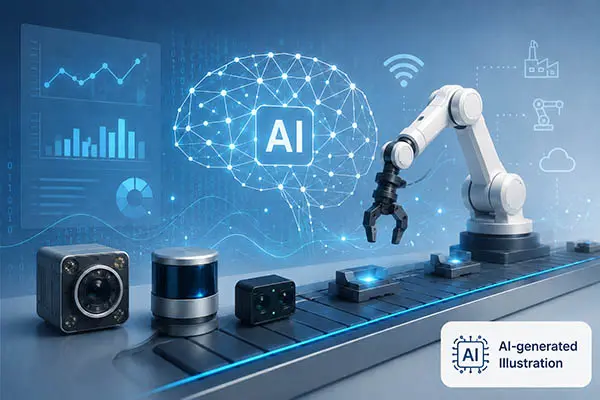
Artificial intelligence can identify objects, process language and discover complex patterns in large datasets. For machines operating in the physical world, however, pattern recognition alone is not enough. A robot should not only detect a box in front of it. It also needs to estimate how the box…
Sensor Fusion: Turning Individual Measurements into a Reliable View of the World
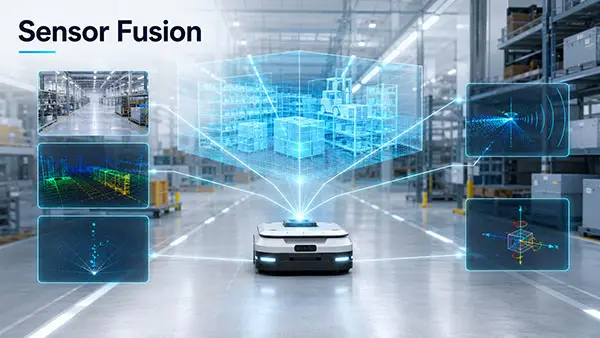
Sensors form the foundation of modern automation. Cameras identify objects, radar sensors measure distance and speed, while inertial sensors detect movement and acceleration. Each sensor provides valuable information, but every technology captures only part of the surrounding reality. Sensor fusion…
Robotics and Physical AI: How Intelligent Machines Perceive, Decide and Act
Robotics and artificial intelligence are becoming increasingly interconnected. Conventional robots usually perform clearly defined movements in structured environments. Systems based on Physical AI are intended to perceive their surroundings, interpret situations and adapt their behaviour when…
Autonomous Systems & Mobility: How Machines Perceive Their Environment and Act Independently
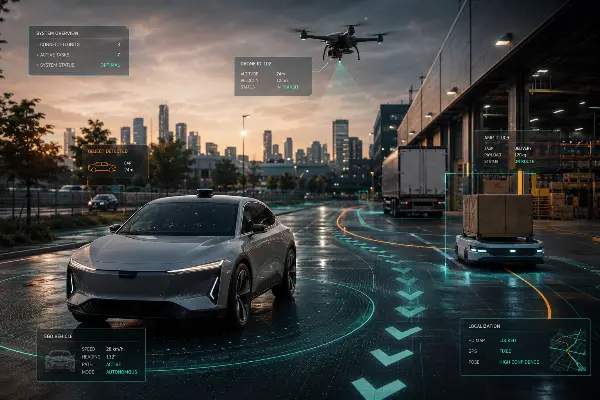
Autonomous systems can perform tasks without continuous human control. They perceive their surroundings, assess situations, make decisions and translate those decisions into actions. In mobility, the spectrum ranges from driver-assistance systems and self-driving vehicles to autonomous delivery…