Robotics
Robotics is evolving from rigidly programmed machines into flexible systems that can perceive, learn and adapt. This topic hub covers industrial robots, cobots, autonomous mobile robots, service robots and humanoid platforms. Key areas include robotic sensing, control, navigation, gripping technology, safety systems and artificial intelligence.
Articles on this topic
World Models: How AI Learns to Understand the Physical World
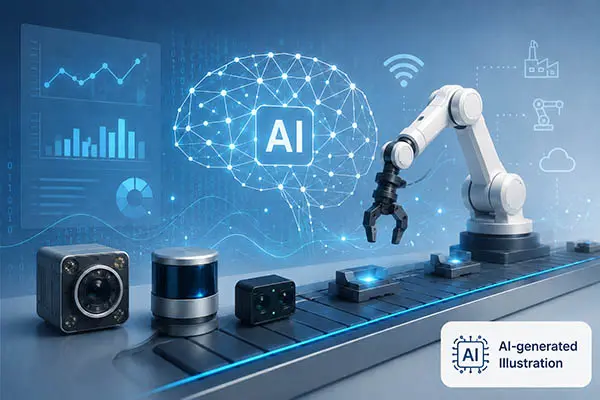
Artificial intelligence can identify objects, process language and discover complex patterns in large datasets. For machines operating in the physical world, however, pattern recognition alone is not enough. A robot should not only detect a box in front of it. It also needs to estimate how the box…
New Robotic Hands for NEO: 25 Degrees of Freedom and Tactile Sensing
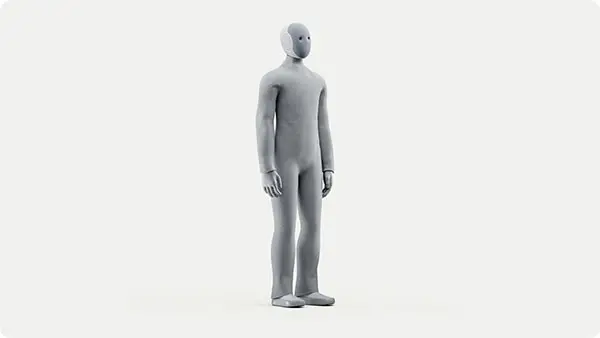
1X has introduced new hands for its humanoid robot NEO. The tendon-driven system offers a total of 25 degrees of freedom. Of these, 22 are located in the fingers and palm, while three are assigned to the wrist. According to the company, the hands are designed to combine a high level of mobility…
Types and Applications of Humanoid Robots
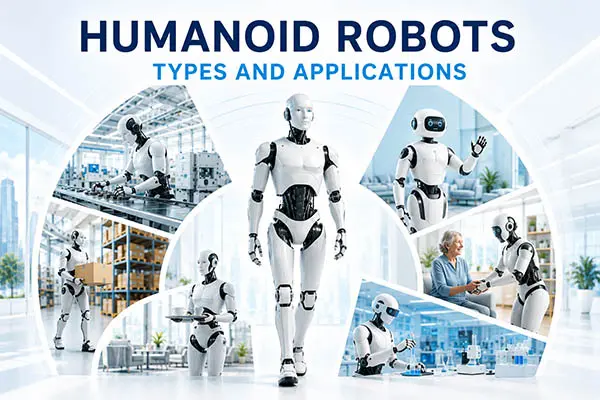
Humanoid robots are among the most visible developments at the intersection of robotics, artificial intelligence and advanced sensor technology. Their human-like shape is not simply a design choice. It is intended to help machines operate in environments originally built for people. Stairs, doors…
BCW 2026: Bosch pushes ahead with technologies for automation and robotics
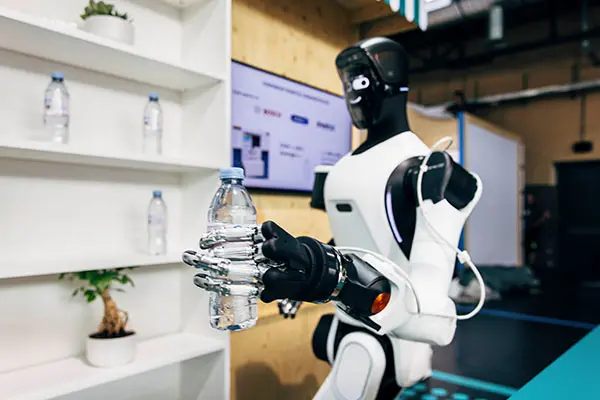
Stuttgart and Berlin, Germany – Advanced robotics and, in particular, the very dynamic growth of humanoid systems are heralding the next stage of automation. Bosch is already playing a major role in shaping this development and is actively pushing ahead with key technologies for automation and…
Sensor Fusion: Turning Individual Measurements into a Reliable View of the World
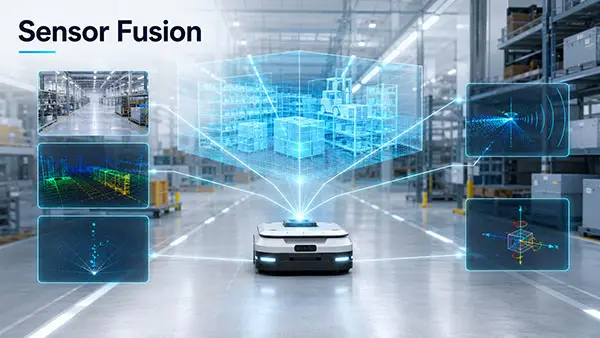
Sensors form the foundation of modern automation. Cameras identify objects, radar sensors measure distance and speed, while inertial sensors detect movement and acceleration. Each sensor provides valuable information, but every technology captures only part of the surrounding reality. Sensor fusion…
Why Investors Are Increasingly Backing Physical AI and Robotics
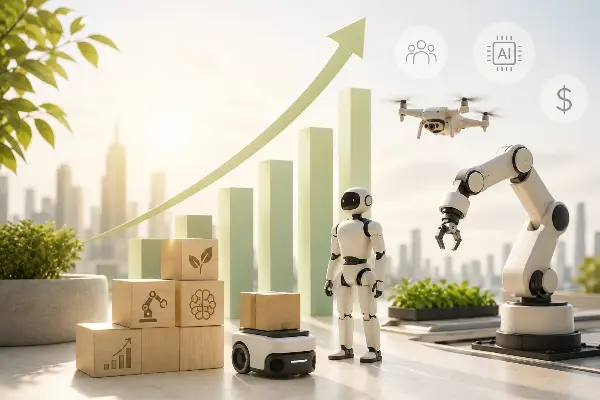
Artificial intelligence was long associated mainly with software, data analysis and digital services. Attention is now shifting increasingly toward Physical AI. Physical AI connects artificial intelligence with machines, robots, vehicles and other physical systems. These systems use sensors to…
Sensors for Humanoid Robots: How Human-Like Machines Perceive Their Environment
Humanoid robots are designed around aspects of the human body and its movement capabilities. They often include a head with cameras, a movable torso, two arms, hands and legs. This structure is intended to allow them to operate in environments originally designed for people. To stand, walk, grasp…
Robotics and Physical AI: How Intelligent Machines Perceive, Decide and Act
Robotics and artificial intelligence are becoming increasingly interconnected. Conventional robots usually perform clearly defined movements in structured environments. Systems based on Physical AI are intended to perceive their surroundings, interpret situations and adapt their behaviour when…