AI in Sports Technology: How Sensors, Data and Artificial Intelligence Are Transforming Training and Performance
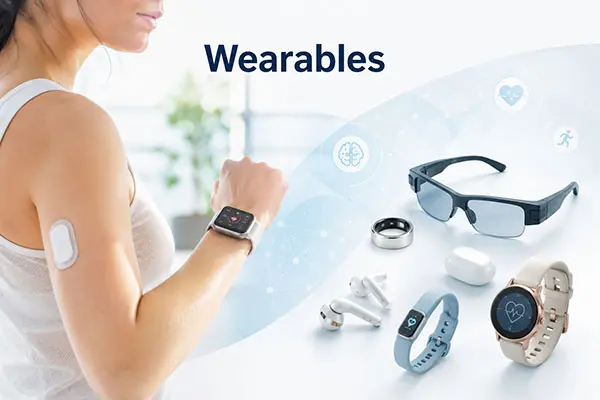
Artificial intelligence is becoming increasingly important in sports technology. Wearables, cameras, smart training equipment and connected sports devices collect information about movement, workload and performance. AI systems analyse this data and derive patterns, recommendations or alerts.
This makes it possible to assess training, technique and recovery in a more individual way. Coaches gain additional insight into movement and workload development. Athletes can monitor progress more precisely and plan training more effectively.
AI does not replace experience or sports-science expertise. It expands existing capabilities by analysing large amounts of data and revealing relationships that would be difficult to identify from individual measurements alone.
What Does AI Mean in Sports Technology?
AI in sports technology refers to the use of machine learning, computer vision and other data-driven methods in training, competition, recovery and sports management.
Typical applications include:
movement analysis,
training recommendations,
workload management,
injury-risk assessment,
performance forecasting,
automatic video analysis,
tactical evaluation,
recognition of sporting events,
personalised fitness programmes,
analysis of sports equipment.
The foundation is usually sensor or image data.
This data may come from smartwatches, chest straps, cameras, force plates, GPS trackers, smart textiles or sensors integrated directly into sports equipment.
Why Are Sensors Important in Sport?
Sporting performance depends on many factors.
These include:
movement,
force,
speed,
endurance,
technique,
coordination,
recovery,
sleep,
workload,
environmental conditions.
A single measurement cannot represent all of these relationships.
Sensors enable more continuous and objective observation. They may capture:
heart rate,
acceleration,
position,
speed,
power,
ground contact,
movement angles,
temperature,
blood oxygen saturation,
sleep duration.
AI can evaluate several of these data sources together and provide a more differentiated picture.
Which Sensors Are Used?
Accelerometers and Gyroscopes
These sensors capture movement and rotation.
They are used for:
running and step analysis,
jump measurement,
swing and throwing motions,
repetition detection,
technique assessment,
gesture recognition.
A wrist-mounted sensor may determine how quickly and at which angle a tennis stroke is performed.
GPS and Position Sensors
GPS trackers measure position, distance and speed.
They are particularly common in outdoor and team sports.
Typical metrics include:
distance covered,
maximum speed,
acceleration phases,
movement paths,
position zones,
workload during different match periods.
Indoor sports often use local positioning systems or camera-based tracking.
Heart-Rate Sensors
Heart-rate data provides information about physical strain.
It is used for:
training zones,
recovery assessment,
workload comparison,
detection of unusual responses,
endurance-training control.
Heart rate alone does not describe total workload. Temperature, stress, sleep and hydration can also influence the measurement.
Force and Pressure Sensors
Force sensors measure loads, pressure distribution and contact forces.
They are used in:
force plates,
running shoes,
bicycles,
skis,
rackets,
training machines,
sensor insoles.
These systems can analyse jump force, left-right imbalances or pressure distribution during running.
Cameras and Computer Vision
Cameras enable contactless movement analysis.
AI-based computer-vision systems can:
detect body points,
calculate joint angles,
track movement,
estimate speed,
compare techniques,
analyse game situations.
For many applications, a normal camera or smartphone is sufficient. More precise measurements may require multiple cameras, depth sensors or dedicated motion-capture systems.
Smart Textiles and Sensor Clothing
Sensors can be integrated directly into clothing.
They may measure:
posture,
movement,
muscle activity,
breathing motion,
pressure,
temperature.
Smart textiles are suitable for long-term measurements close to the body.
However, they need to remain comfortable, durable and washable.
How Does Artificial Intelligence Work with Sports Data?
Sensors first generate raw data.
AI systems process this data in several stages.
1. Data Collection
Wearables, cameras and sports equipment capture measurements.
2. Data Preparation
The data is filtered, synchronised and cleaned of obvious measurement errors.
3. Feature Extraction
The system calculates relevant metrics such as:
cadence,
joint angles,
acceleration,
contact time,
heart-rate trends,
range of motion.
4. Pattern Recognition
An AI model identifies typical movements, workload conditions or deviations.
5. Evaluation
The results are compared with previous sessions, reference groups or individual targets.
6. Recommendation
The system suggests adjustments to training, technique or recovery.
AI-Based Movement Analysis
Movement analysis is one of the most important applications.
AI can structure motion data automatically and identify recurring patterns.
Possible tasks include:
running-form analysis,
swimming technique,
golf or tennis strokes,
weightlifting movements,
jumping technique,
cycling position,
team movement.
A camera system may identify how the knees, hips and upper body move during a squat.
It can then highlight differences between repetitions or unusual movement patterns.
Pose Estimation
Pose estimation is the automatic determination of body posture from images or video.
An AI model identifies key points such as:
shoulders,
elbows,
wrists,
hips,
knees,
ankles.
Angles and movement paths can be calculated from these points.
Pose estimation enables movement analysis without physical markers attached to the athlete.
Accuracy depends on camera position, lighting, clothing, occlusion and movement speed.
Personalised Training Planning
AI-based systems can evaluate training data over longer periods.
They may consider:
training volume,
intensity,
heart rate,
sleep,
recovery,
performance development,
perceived exertion.
This can result in individual recommendations.
A system may suggest:
reducing training intensity,
adding a rest day,
increasing volume gradually,
including a specific technique exercise.
Such recommendations should not be treated as unrestricted instructions. Training planning also needs to consider age, health, experience and sporting goals.
Workload Management
Excessive workload can reduce performance and increase injury risk. Insufficient workload may result in limited progress.
AI can help compare external and internal load.
External Load
This describes the work performed, such as:
running distance,
speed,
weight,
repetitions,
jumps,
accelerations.
Internal Load
This describes the body’s response, such as:
heart rate,
perceived exertion,
recovery,
sleep,
physiological measurements.
The same session can affect two athletes very differently.
AI systems attempt to account for these individual differences.
Injury-Risk Assessment
AI cannot predict an injury with certainty. It can, however, identify risk patterns and highlight unusual developments.
Possible factors include:
movement asymmetries,
rapidly increasing training load,
insufficient recovery,
changing running technique,
declining performance,
recurring complaints.
A system may detect that one leg is being loaded differently from the other.
Such findings need to be interpreted by coaches, sports scientists, physiotherapists or medical professionals.
Recovery and Readiness
Wearables and AI systems increasingly evaluate recovery.
They may use data such as:
sleep duration,
sleep patterns,
resting heart rate,
heart-rate variability,
skin temperature,
activity,
training load.
These measurements are often combined into recovery or readiness scores.
Such scores are model-based estimates. They can reveal trends but should not determine training or medical decisions in isolation.
AI in Team Sports
Team sports generate large volumes of position, video and performance data.
AI can support:
movement-path analysis,
spatial organisation,
pressing behaviour,
passing patterns,
game situations,
workload distribution,
event recognition.
Camera systems can track players, the ball and the playing area automatically.
This makes it possible to evaluate matches and training sessions more quickly.
Coaches can identify how formations change or which areas are used most often.
Automated Video Analysis
AI can structure sports video automatically.
Possible functions include:
recognition of goals, points or fouls,
creation of highlight clips,
automatic camera control,
player tracking,
scene classification,
tactical analysis.
This reduces manual evaluation work.
It also makes advanced analysis functions increasingly available to amateur teams and individual athletes.
AI in Fitness Equipment
Modern fitness machines combine sensors, displays and AI-based software.
They can:
count repetitions,
classify movements,
record training loads,
provide technique feedback,
adjust resistance,
create individual programmes.
Cameras or movement sensors may assess whether an exercise is performed through a complete and controlled range.
The quality of these recommendations depends strongly on the sensors and AI model.
Smart Sports Equipment
Sensors are increasingly integrated directly into sports equipment.
Examples include:
tennis rackets,
golf clubs,
bicycles,
running shoes,
footballs,
skis,
helmets,
boxing gloves.
These systems may measure:
swing speed,
impact point,
rotation,
power,
pressure distribution,
acceleration,
movement path.
AI interprets the data and provides feedback on technique or workload.
AI in Endurance Sports
In running, cycling and triathlon, AI is used for training control and performance analysis.
Typical data includes:
pace,
power,
heart rate,
elevation,
cadence,
step frequency,
weather,
fatigue.
AI may help adjust training zones or simulate race strategies.
A system may estimate how different pacing approaches could affect energy consumption and finishing time.
AI in Strength Training
In strength training, AI can analyse movement and load.
Possible functions include:
automatic repetition counting,
estimation of movement speed,
recognition of incomplete repetitions,
load adjustment,
rest recommendations,
workout documentation.
A sensor attached to a barbell or machine can measure how quickly the weight moves.
Declining movement speed may indicate increasing fatigue.
AI in Esports
AI and sensors are also used in esports.
Possible data includes:
reaction time,
input patterns,
eye movement,
mouse movement,
heart rate,
stress indicators,
game decisions.
AI can analyse training sessions and identify tactical patterns.
Because esports places high demands on concentration and reaction, ergonomic and physiological data is also becoming more relevant.
Edge AI in Sports Technology
Many analyses need to occur during movement.
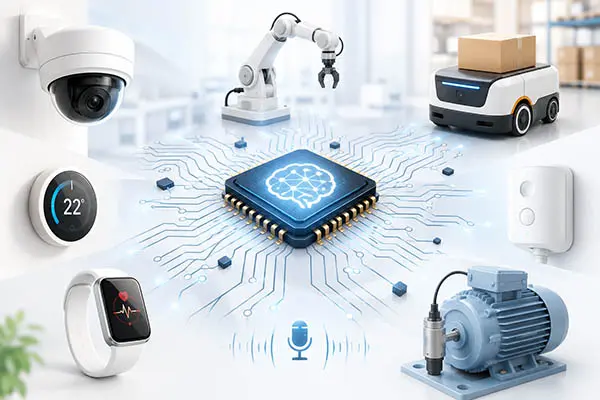
Edge AI allows local processing on:
smartwatches,
smartphones,
cameras,
sports equipment,
wearables.
Benefits include:
immediate feedback,
reduced data transmission,
operation without a permanent internet connection,
better control of personal data.
A smartwatch can recognise activity locally without transmitting every raw measurement to the cloud.
Cloud AI and Long-Term Analysis
Cloud systems are used for:
long-term training histories,
comparison of large datasets,
extensive video analysis,
model training,
team and athlete management,
synchronisation of multiple devices.
Many systems use a hybrid architecture.
Simple and time-critical functions run locally, while extensive analysis is performed centrally.
Benefits of AI in Sports Technology
More Objective Analysis
Measurements complement subjective impressions.
Personalisation
Training can be adapted more closely to individual responses.
Faster Evaluation
Video and sensor data can be structured automatically.
Earlier Indications
Changes in movement or workload may become visible sooner.
Better Feedback
Athletes receive direct information about technique and performance.
Access for Amateur Sport
Automated systems make professional analysis functions increasingly available to smaller clubs and individual athletes.
What Are the Main Challenges?
Measurement Accuracy
Wearables and cameras do not perform equally well under all conditions.
Data Quality
Missing, misclassified or noisy data affects the analysis.
Overinterpretation
A calculated score is not automatically a medical or sports-science fact.
Limited Comparability
Manufacturers use different sensors, metrics and models.
Privacy
Sports data may include health, location and performance information.
Platform Dependence
Many functions depend on apps, accounts or subscriptions.
Biased Models
AI systems may perform less accurately when training data does not represent certain body types, age groups or movement styles.
Privacy and Fairness
Sports data can be highly personal.
It may include:
health information,
performance profiles,
location data,
recovery information,
movement patterns,
injury history.
In professional sport, this information may influence contracts, team selection or playing time.
Access rights and purposes therefore need to be clearly defined.
Automated evaluations should not be the sole basis for sporting or employment decisions.
The Role of Coaches and Specialists
AI can analyse data, but it cannot fully replace sporting context.
Coaches, sports scientists, physiotherapists and medical professionals consider factors that a model may not know.
These include:
personal goals,
motivation,
technical background,
pain or discomfort,
competition planning,
psychological strain,
external life circumstances.
The greatest value is created when AI is used as a supporting tool.
What Should Athletes Consider?
Before using an AI-based sports system, it is useful to ask:
Which sensors are used?
Which values are measured and which are estimated?
How is accuracy evaluated?
Which data is stored?
Who receives access?
Does the system work without a subscription?
Are recommendations understandable?
For which sport and user group was the model developed?
Can the data be exported?
A large number of metrics does not automatically lead to better training decisions.
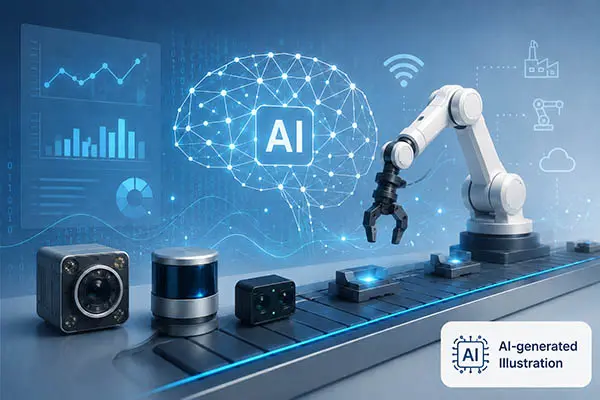
AI in Sports Technology and Physical AI
Sports technology connects digital analysis with real physical movement.
Sensors capture the athlete, equipment and environment. AI interprets the data. The system responds through feedback, training adjustments or automatic equipment control.
This follows the principle of Physical AI:
perceive,
analyse,
decide,
respond.
Smart training machines can adjust resistance automatically. Wearables provide alerts. Cameras analyse movement in real time.
Conclusion
AI in sports technology combines sensing, movement analysis and data-driven decision support.
Wearables, cameras and smart sports equipment capture performance, workload, technique and recovery. AI converts this data into patterns, forecasts and personalised recommendations.
The potential is significant. Training can become more individual, feedback can be delivered faster and advanced analysis can become accessible beyond professional sport.
The results, however, need to be interpreted realistically. Sensor errors, incomplete data and simplified models can lead to incorrect conclusions.
AI is most valuable in sport when it supports experience and sports-science expertise rather than attempting to replace them.