Fundamentals & Glossary
What is Physical AI? How does sensor fusion work? What is the difference between Edge AI and cloud AI? The Fundamentals & Glossary hub explains important terms, technologies and relationships in a clear and technically accurate way. It provides accessible introductions to sensing, artificial intelligence, robotics, machine vision and intelligent systems.
Articles on this topic
World Models: How AI Learns to Understand the Physical World
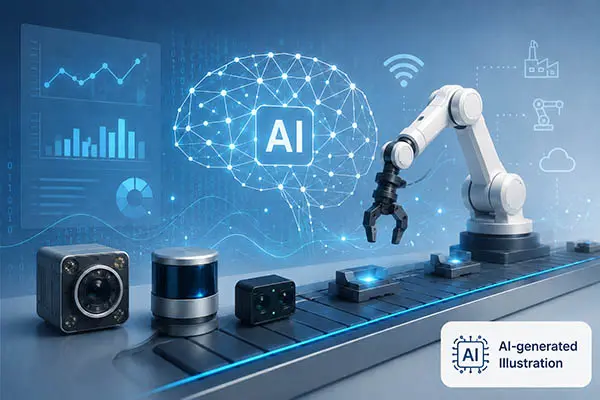
Artificial intelligence can identify objects, process language and discover complex patterns in large datasets. For machines operating in the physical world, however, pattern recognition alone is not enough. A robot should not only detect a box in front of it. It also needs to estimate how the box…
Embedded AI: When Artificial Intelligence Becomes Part of the Device
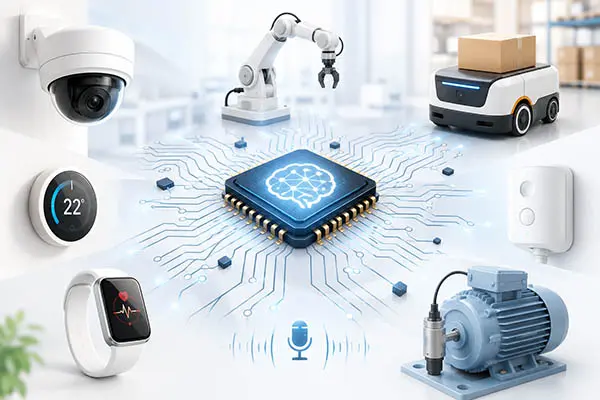
What is embedded AI? Embedded AI is the integration of artificial intelligence into a dedicated electronic device or embedded system. Instead of using AI only as external software or a centralized cloud service, the intelligence becomes part of the product itself. An embedded AI device may capture…
Wearables with Sensors and AI: From Data Trackers to Intelligent Assistance Systems
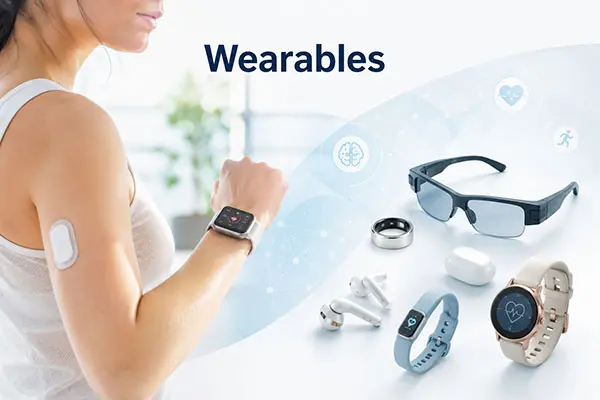
Wearable devices have evolved significantly in recent years. Simple step counters have become connected systems capable of continuously collecting, processing and, in some cases, interpreting data related to the human body. This development is driven by the combination of advanced sensors…
Sensor Fusion: Turning Individual Measurements into a Reliable View of the World
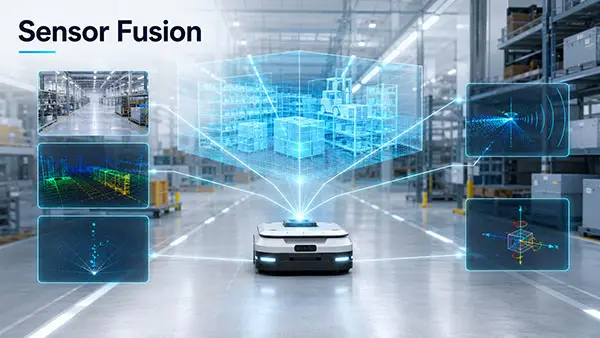
Sensors form the foundation of modern automation. Cameras identify objects, radar sensors measure distance and speed, while inertial sensors detect movement and acceleration. Each sensor provides valuable information, but every technology captures only part of the surrounding reality. Sensor fusion…
TinyML Explained: Machine Learning on Microcontrollers and Sensors
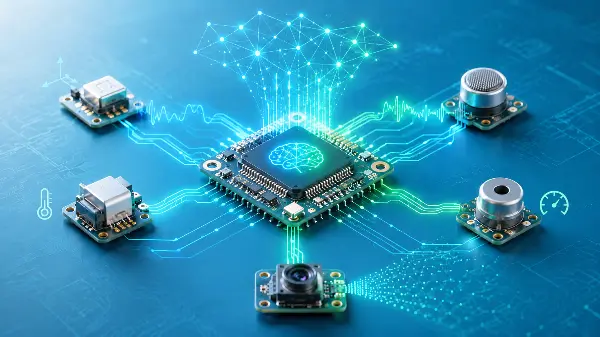
TinyML brings machine learning to small, energy-efficient devices. Instead of continuously sending sensor data to the cloud or a powerful server, data can be analyzed directly on microcontrollers, sensor platforms and compact embedded systems. This allows devices to detect patterns, classify events…
Embedded AI in Sensors: How Artificial Intelligence Operates Directly Inside Sensors
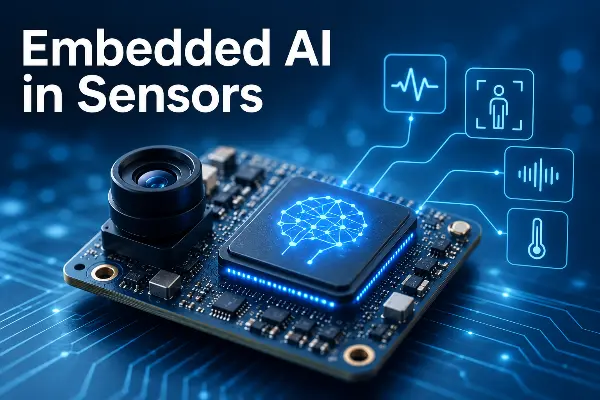
Sensors measure physical quantities such as temperature, pressure, motion, sound, light and force. Conventional sensing systems transmit these measurements to a controller, edge computer or cloud platform for further processing. Embedded AI changes this approach. Algorithms and machine-learning…
AI & Business Automation: How Artificial Intelligence Is Transforming Business Processes
AI and business automation refers to the use of artificial intelligence to support or automate operational workflows. This includes processes in sales, purchasing, customer service, finance, human resources, logistics and administration. AI systems analyse documents, respond to enquiries, classify…
Market, Funding & M&A: How Capital, Acquisitions and Corporate Strategies Shape Technology Markets
Technological progress is driven not only by research and innovation. Capital, corporate strategy, acquisitions and partnerships also play a decisive role. This is particularly true in sensing, robotics, Industrial AI, Edge AI and Physical AI. New products must be developed, tested, certified and…
AI in Sports Technology: How Sensors, Data and Artificial Intelligence Are Transforming Training and Performance
Artificial intelligence is becoming increasingly important in sports technology. Wearables, cameras, smart training equipment and connected sports devices collect information about movement, workload and performance. AI systems analyse this data and derive patterns, recommendations or alerts. This…
Wearables: How Sensors and AI Make Body-Worn Devices Intelligent
Wearables are electronic devices worn directly on the body. They include smartwatches, fitness trackers, smart rings, intelligent glasses, sensor patches, connected clothing and specialised sports or health devices. Their main advantage is their proximity to the user. Wearables can continuously…
Smart Gadgets: How Sensors and AI Enhance Everyday Devices
Gadgets are compact technical devices designed to simplify specific tasks, provide additional information or bring new digital functions into everyday life. They include smartwatches, fitness trackers, wireless headphones, smart rings, cameras, household devices, electronic toys, wearables and…
Smart Manufacturing: How Connected Production, Sensors and AI Are Transforming Industry
Smart manufacturing describes a connected, data-driven and increasingly self-optimising production environment. Machines, sensors, software platforms and employees work together within a shared digital system. The objective is to make production processes more transparent, flexible and efficient…