Humanoid Robots
Technologies, Applications and Latest Developments. Humanoid robots combine artificial intelligence, advanced sensors, robotics and intelligent motion systems. They can perceive their environment, interact with people and perform a growing range of tasks in manufacturing, logistics, research, service and healthcare. Explore key technologies, leading companies, real-world applications and the latest developments in humanoid robotics and Physical AI.
Articles on this topic
New Robotic Hands for NEO: 25 Degrees of Freedom and Tactile Sensing
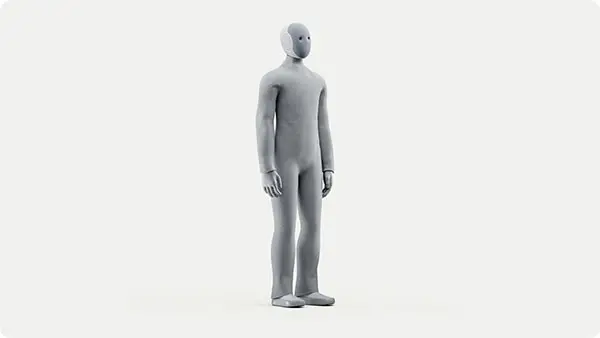
1X has introduced new hands for its humanoid robot NEO. The tendon-driven system offers a total of 25 degrees of freedom. Of these, 22 are located in the fingers and palm, while three are assigned to the wrist. According to the company, the hands are designed to combine a high level of mobility…
Types and Applications of Humanoid Robots
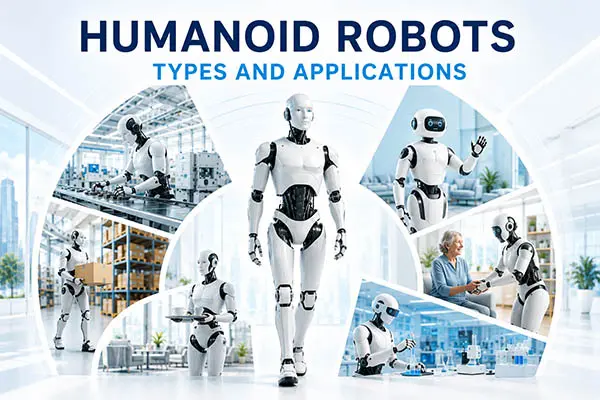
Humanoid robots are among the most visible developments at the intersection of robotics, artificial intelligence and advanced sensor technology. Their human-like shape is not simply a design choice. It is intended to help machines operate in environments originally built for people. Stairs, doors…
BCW 2026: Bosch pushes ahead with technologies for automation and robotics
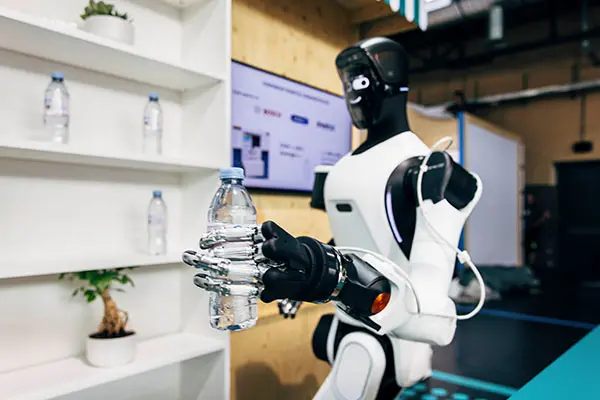
Stuttgart and Berlin, Germany – Advanced robotics and, in particular, the very dynamic growth of humanoid systems are heralding the next stage of automation. Bosch is already playing a major role in shaping this development and is actively pushing ahead with key technologies for automation and…
Why Investors Are Increasingly Backing Physical AI and Robotics
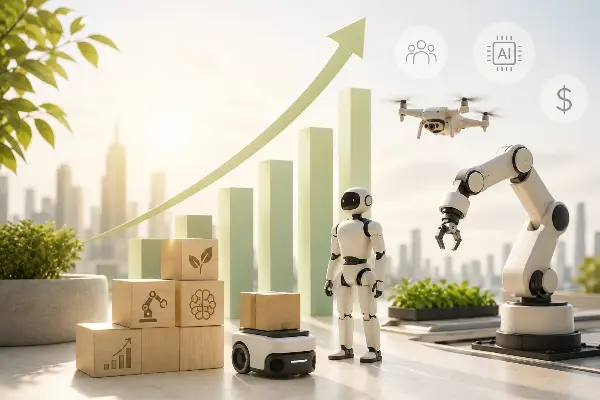
Artificial intelligence was long associated mainly with software, data analysis and digital services. Attention is now shifting increasingly toward Physical AI. Physical AI connects artificial intelligence with machines, robots, vehicles and other physical systems. These systems use sensors to…
Sensors for Humanoid Robots: How Human-Like Machines Perceive Their Environment
Humanoid robots are designed around aspects of the human body and its movement capabilities. They often include a head with cameras, a movable torso, two arms, hands and legs. This structure is intended to allow them to operate in environments originally designed for people. To stand, walk, grasp objects and interact safely with humans, a humanoid robot requires many different types of sensors. These sensors monitor…
Related topic pages
TinyML
Methods, Technologies and Applications. TinyML brings machine learning to compact, energy-efficient microcontrollers and embedded systems. This page features expert articles on Edge AI, embedded AI, neural networks, model optimisation, sensor analysis, low-power hardware and local data processing. The focus is on applications in IoT, industry, wearables, predictive maintenance, smart homes, robotics and intelligent sensor systems.
Wearables
Sensors, Artificial Intelligence and Smart Applications. Wearables combine advanced sensor technology, artificial intelligence and mobile data processing to create intelligent solutions for healthcare, fitness, industry, occupational safety and everyday life. This page features expert articles on smartwatches, fitness trackers, smart rings, medical wearables, sensor fusion, Edge AI, vital-sign monitoring and wearable assistance systems. The focus is on technologies, applications, market trends and current developments in intelligent body-worn devices.
Sensor Fusion
How Multiple Sensors Create a Reliable Understanding. Sensor fusion combines data from multiple sensors to capture conditions, movements and environments more accurately and reliably. This page features expert articles on multisensor systems, data fusion, IMUs, cameras, radar, LiDAR, positioning sensors, AI-based sensor data processing and real-time analysis. The focus is on applications in robotics, autonomous systems, industry, automotive, medical technology, wearables and Edge AI.
Embedded AI
Intelligence Inside Devices, Sensors and Machines. Embedded AI brings artificial intelligence directly into devices, sensors and machines. Data is processed locally, patterns are detected in real time, and decisions can be made without a permanent cloud connection. This enables low latency, reduced data transmission and improved privacy. Embedded AI is used in smart sensors, cameras, robots, vehicles, wearables and industrial equipment. It is a key foundation for edge AI, physical AI and autonomous systems.